
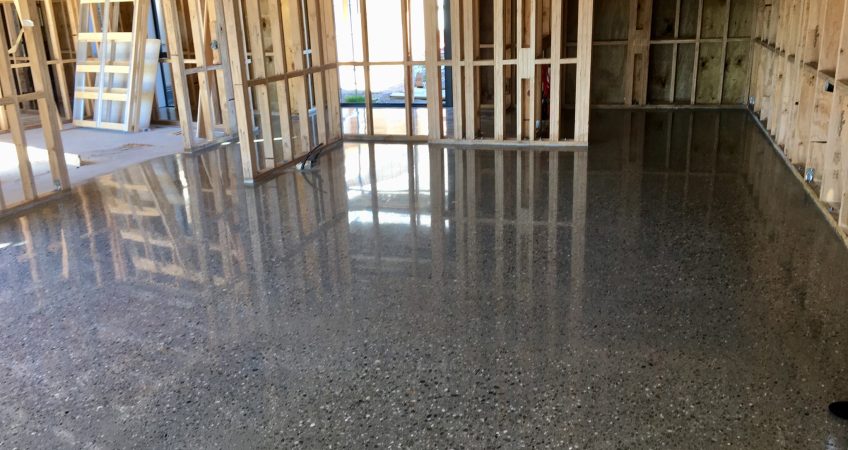
When people think about a new floor, they usually picture the finish. They imagine sleek vinyl, tidy tiles, soft carpet, or a glossy resin coating that looks sharp enough to make the neighbours suspicious. However, the part that really decides whether that floor lasts is what sits underneath it. That is where proper concrete floor preparation comes in.
At NZ Grinders, we see it all the time. A client invests in a beautiful floor covering, only to find out later that the concrete below was uneven, contaminated, cracked, or holding onto old adhesive like it was emotionally attached. The result is never pretty. Bubbling, lifting, cracking, and poor adhesion can all start with bad prep. So, before any finished flooring goes down, the concrete needs to be properly assessed, ground, and levelled.
Why concrete floor preparation matters so much
Concrete is tough, but it is not always ready for a new surface straight away. In fact, many slabs look fine at first glance and still hide plenty of problems. They can have high spots, low spots, glue residue, paint, coatings, laitance, moisture issues, or surface damage that makes installation risky.
That is why concrete floor preparation matters. It creates a clean, sound, and level base so the finished flooring can bond properly and perform as it should. Without this step, even the most expensive floor covering can fail faster than a plastic chair at a rugby club barbecue.
Good prep does more than improve appearance. It helps extend the life of the flooring, reduces installation issues, and lowers the risk of repairs down the track. In other words, it is the unglamorous hero of the flooring world.
What happens when concrete floors are not prepared properly
Skipping proper floor prep might save money at the start, but it usually costs more later. We have seen floors that looked great for a few weeks, then started to peel, crack, shift, or wear unevenly because the concrete underneath was not ready.
Here are a few common problems caused by poor preparation:
Uneven flooring installation
If the slab is not level, the final floor will reflect those imperfections. Tiles can sit unevenly, vinyl can show ridges, and carpet can wear badly in raised areas. Resin coatings can also pool in low spots or wear thin on high points.
Adhesion failure
Old glue, paint, dust, grease, or weak surface layers can stop adhesives and coatings from bonding properly. That can lead to bubbling, lifting, and peeling. Nobody wants a floor that starts trying to escape.
Cracks and movement showing through
If cracks or surface defects are not addressed before installation, they can telegraph through certain flooring systems. That means the lovely fresh finish may end up highlighting the very problems it was supposed to cover.
Wasted time and money
When a floor fails, the repair process often involves removing the new finish, re-preparing the slab, and starting again. That is a painful way to discover that prep work was not optional.
Why grinding is a key step in floor preparation
Concrete grinding is one of the most effective ways to prepare a slab for a new finish. It removes surface contamination, smooths rough areas, opens the concrete, and creates the right profile for adhesives or coatings to bond.
At NZ Grinders, we use professional grinding equipment to prepare concrete floors for all kinds of applications across New Zealand. Grinding is not just about making the surface look cleaner. It is about making it function properly for whatever comes next.
A well-ground floor can help with:
- Removing old adhesives, paint, sealers, and coatings
- Smoothing rough or damaged concrete
- Eliminating minor surface imperfections
- Creating the right profile for epoxy, resin, or adhesive systems
- Improving the bond for vinyl, tile, carpet, and other finishes
This step is especially important in renovations, where old flooring has been removed and the slab underneath tells a story nobody asked to hear.
Why levelling is just as important as grinding
Grinding helps clean and profile the surface, but it does not solve every issue on its own. If a slab has major dips, rises, or uneven sections, levelling may also be required.
Concrete levelling creates a flatter, more consistent substrate so the final floor performs better and looks better. This is particularly important for modern flooring systems, where even small variations can cause visible issues.
For example, vinyl and tile often need tight tolerances to install correctly. Resin systems also perform best on a properly levelled surface. Even carpet can show wear patterns more quickly if the substrate underneath is uneven.
Levelling is not about perfection for the sake of it. It is about making the floor fit for purpose. There is a big difference between “close enough” and “done properly,” especially when people will be walking, working, rolling trolleys, or parking vehicles on it every day.
Floor preparation for vinyl installation
Vinyl flooring is popular because it looks great, feels modern, and works well in both residential and commercial spaces. Still, it is one of the least forgiving finishes when it comes to substrate quality.
Any bumps, cracks, adhesive residue, or uneven patches underneath can show through the vinyl over time. That means the slab needs to be smooth, clean, and level before installation begins.
Concrete grinding helps remove old glue, coatings, and surface contaminants, while levelling takes care of low spots and surface inconsistency. Together, these steps give vinyl the best chance of performing well and looking sharp for years.
Floor preparation for tile installation
Tiles may be hard-wearing, but they do not like movement or uneven surfaces underneath. If the concrete slab is not properly prepared, tiles can crack, sit unevenly, or develop lipping between edges.
Before tiling, the concrete should be checked for flatness, contamination, and damage. Grinding removes anything that could interfere with adhesion, while levelling ensures the tiles can be laid consistently.
A solid base helps tile installers do their job properly, and it gives the finished floor a cleaner, more professional result. In simple terms, good prep keeps your tiles from becoming expensive percussion instruments.
Floor preparation for carpet installation
Carpet might seem more forgiving than vinyl or tile, but that does not mean you can ignore the slab underneath. Uneven surfaces can affect how carpet sits, wears, and feels underfoot. Old adhesives, rough patches, and cracks can also create installation problems.
Preparing concrete for carpet usually involves removing residues, smoothing problem areas, and ensuring the surface is dry and sound. When that groundwork is done well, the carpet sits better, lasts longer, and avoids premature wear.
Floor preparation for resin and epoxy systems
Resin and epoxy flooring systems rely heavily on surface preparation. In fact, prep can be the difference between a durable coating and a peeling disaster.
These systems need the concrete to be mechanically prepared so the coating can bond properly. Grinding is essential because it removes weak surface material and creates the correct surface profile. If the slab is also uneven, levelling or repairs may be needed before the coating goes down.
This is one area where cutting corners almost always comes back to bite. A resin floor may look sleek and seamless when it is new, but without the right prep underneath, it can fail long before it should.
Signs your concrete floor needs professional preparation
Not every slab is obviously damaged, but there are several signs that professional prep work is needed before new flooring goes in.
Watch for:
- Old glue or adhesive residue
- Paint, sealers, or coatings on the surface
- Cracks, chips, or surface damage
- High spots and low spots
- Dusty or weak surface layers
- Uneven wear from previous floor coverings
- Moisture-related concerns
- Visible ridges, bumps, or rough patches
If any of these are present, it is worth getting the slab assessed before installation starts. It is far easier to prepare the floor properly now than to rip up a failed finish later.
Why professional equipment and experience make a difference
Floor preparation is not just a matter of hiring a machine and hoping for the best. Different floors need different approaches, and the wrong method can damage the slab, leave an inconsistent finish, or fail to remove the problem areas properly.
Professional grinding and levelling involve more than brute force. They require the right equipment, the right tooling, and the experience to know how much preparation is needed for the chosen flooring system.
At NZ Grinders, we understand that every slab has its own quirks. Some need coating removal. Some need levelling. Some need crack attention, adhesive removal, or surface correction before installers can move ahead confidently. That is why we focus on preparing the concrete the right way, so the flooring that follows has the best possible foundation.
The long-term value of getting floor prep right
Concrete floor preparation might not be the most exciting part of a project, but it is one of the most valuable. It protects the investment in your finished flooring and helps avoid the common failures that come from poor substrate conditions.
When grinding and levelling are done correctly, the result is a floor that installs more smoothly, performs more reliably, and lasts longer. That means fewer surprises, fewer repairs, and far less frustration.
A beautiful finish always starts below the surface. It is a bit like cooking on a dirty barbecue. You can put premium ingredients on top, but the result still suffers if the base is a mess.
Final thoughts
Whether you are installing vinyl, tile, carpet, or resin, the concrete underneath needs to be ready for the job. Grinding removes contamination and creates the right profile. Levelling corrects uneven areas and improves performance. Together, they lay the groundwork for a better, longer-lasting floor.
At NZ Grinders, we know that proper surface preparation is not an optional extra. It is the foundation of a successful flooring project across homes, workshops, retail spaces, and commercial sites throughout New Zealand.
Ready to prepare your concrete floor properly?
If you need expert help with concrete grinding, floor preparation, or levelling before installing vinyl, tile, carpet, or resin, get in touch with NZ Grinders today.
North Island: Glen – 021 434 199
South Island: Mike – 027 755 6672
Sales enquiries: Contact Ian via the contact page